
Guide
Turning a day's results into the next day's plan
How to read a finished day in Supermarket Simulator and turn it into tomorrow's plan: the record the game keeps, the costs behind it, the standing it feeds, and the decisions that belong before the next day starts.
Applies to
1.6.0 (223), read from the copy of the game this site was built from (see the sources page)
Before you start
- A day finished rather than paused halfway
- The day's own screen or the shop computer to read it on
- Some idea of the shop's current level and standing
Steps
- Read the finished day before you spend anything from it.
the game keeps a daily record with a manager of its own, a screen of its own and a drawing step of its own, so the day can be read back rather than remembered - Separate what came in from what the shop owes.
recurring costs are a system of their own, with a manager, a container for the settings and a record for each expense - Check what was paid for you before counting the day as yours.
bills can be settled automatically, and the game keeps a canvas showing what it paid with an entry per bill - Read cleanliness as part of the result rather than a separate chore list.
cleanliness is tracked against the shop's standing, so the state of the shop feeds the same standing the day is measured by - Look at the shop's level before planning what to buy.
the shop's level is tracked apart from the money, and the licence and growth screens are organised around it - Decide whether tomorrow is a buying day or a mending day.
what can be ordered is modelled as real objects rather than text rows, and a box carries a market price of its own, so a buying day has a price the game already knows - Bank before you shop, and know what the shop is holding.
the shop's money is held by a manager, with a networked manager in a shared shop and a listener for money objects in the room - Plan the tills before you plan the shelves.
there is a checkout manager and more than one kind of checkout, so standing at a till is a decision the game models rather than an assumption - Only then close the day.
ending the day is an interaction of its own, the day cycle has a networked manager, and the shop's status is part of the shared state in a co-op shop
Common mistakes
- Spending the day's takings before reading what the day actually owed.
- Treating cleanliness as decoration when it feeds the standing the results are judged against.
- Ordering stock before checking what the shop's level and licences allow.
- Planning a solo day in a shop that is shared with other players.
Related entries
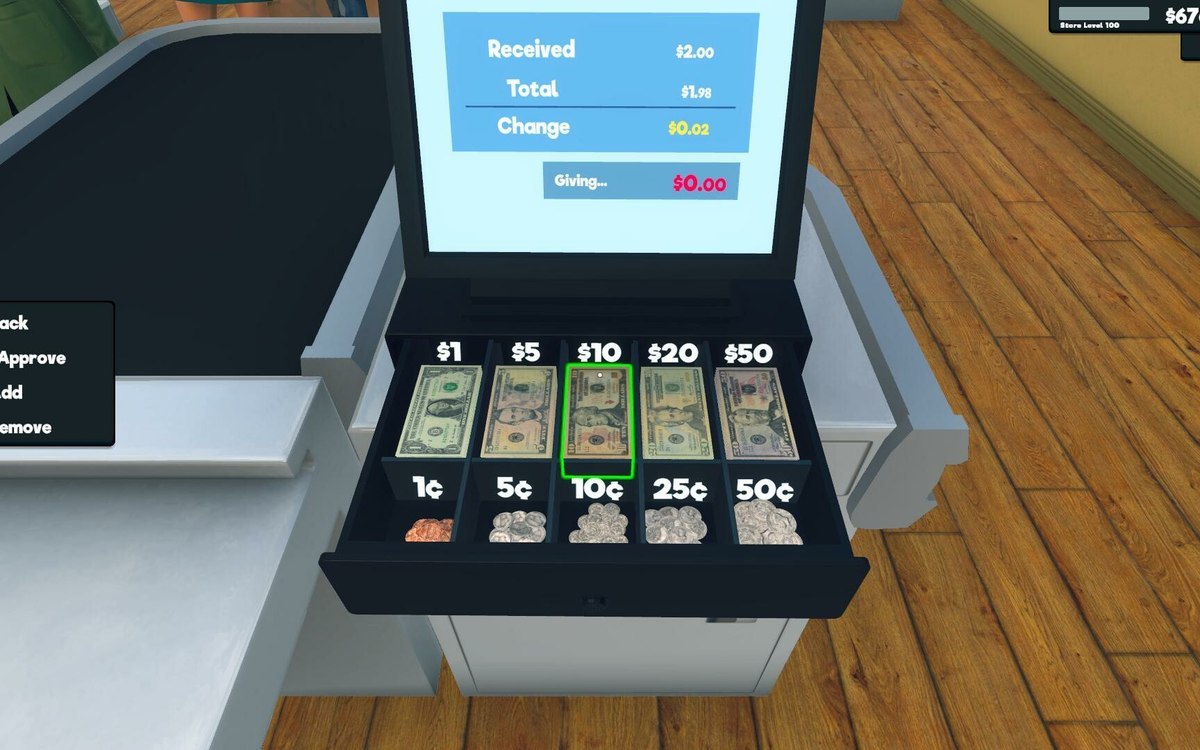 Money, bills and loansThe day's results and the screen that shows themThe game keeps a daily record of its own.
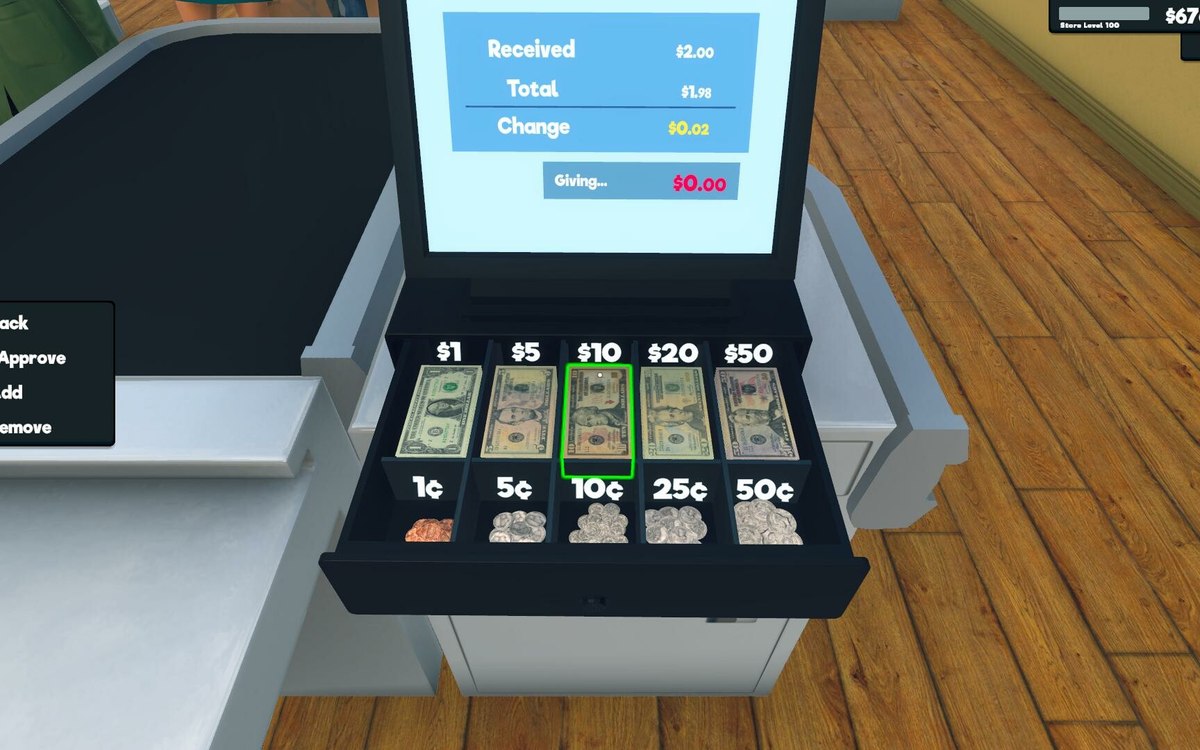 Money, bills and loansWhat your shop spendsThe game keeps recurring expenses as a system of their own.
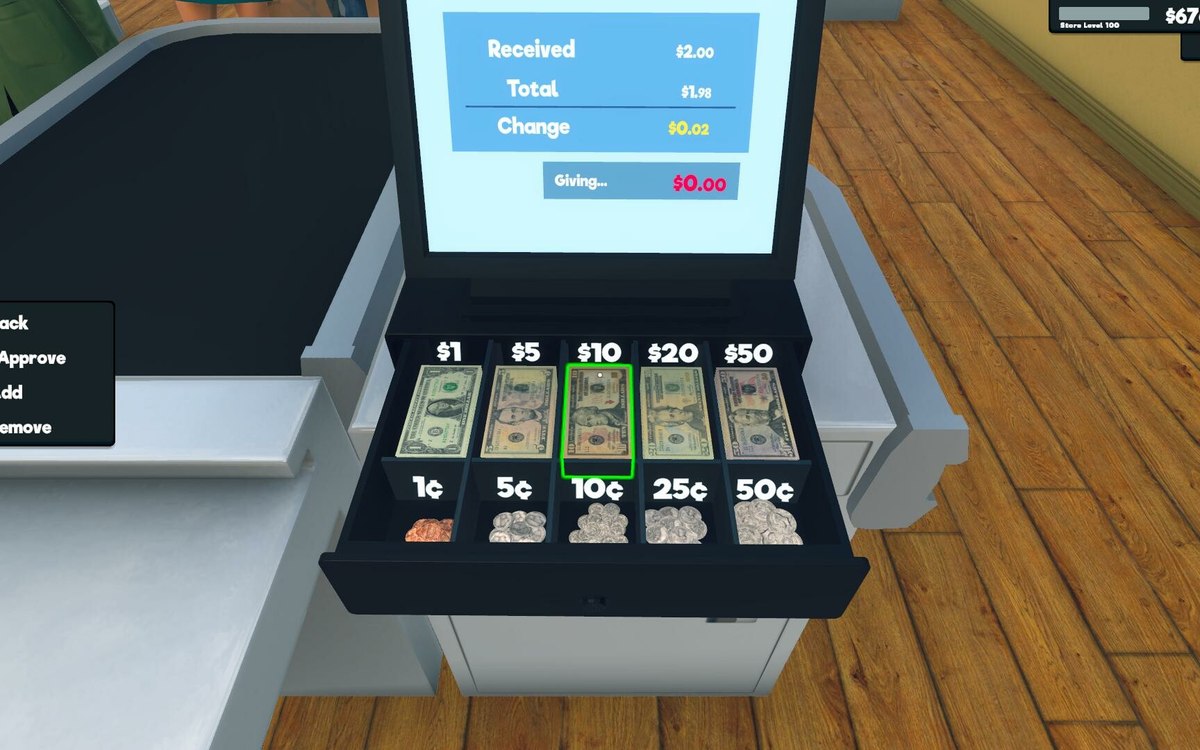 Money, bills and loansBills, loans and growth screensBills are organised as their own part of the interface.
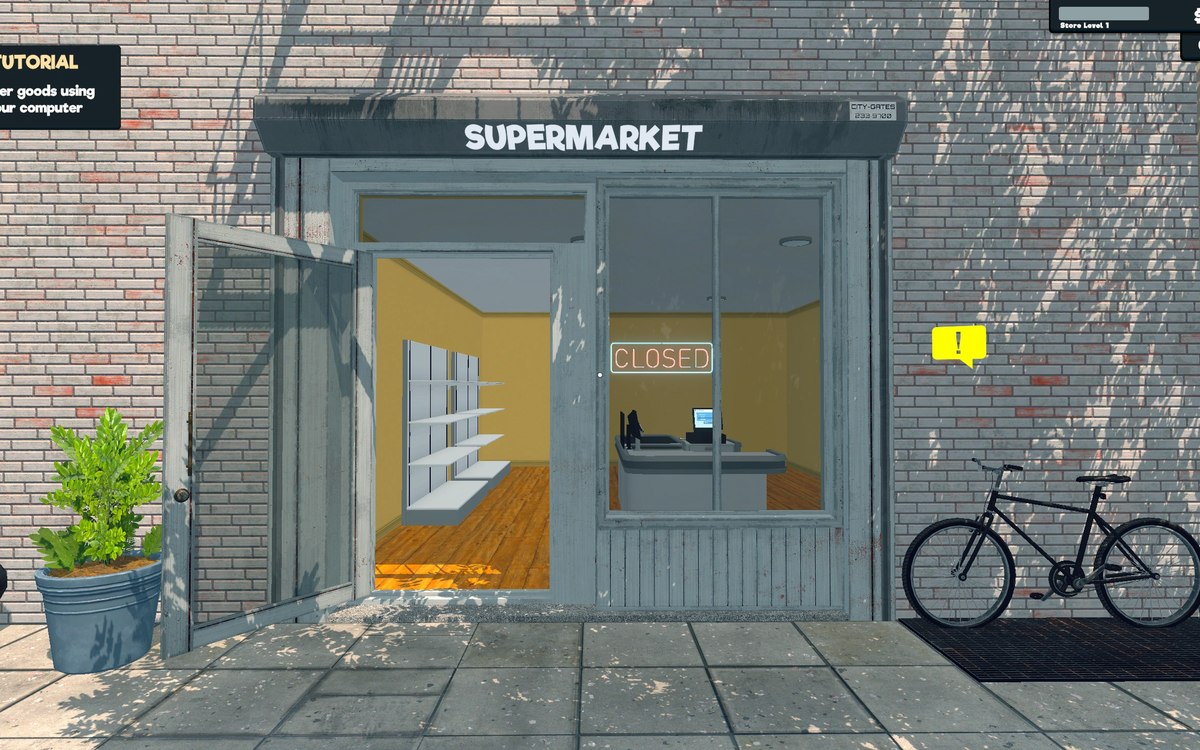 Running the shopThe day cycle and the clockThe shop runs on a day cycle with a manager of its own.
Related guides
- What a day's profit is actually made of
Where profit in Supermarket Simulator comes from: market cost, the price you display, the margin behind it, discounts, offers, expenses and the day's record.
Sources
A local copy of the game, read only. Grounding for each step is on the technical reference pages; no number is estimated.