
Customers · Supermarket Simulator · read from a local copy
Who comes into the shop
Customers are produced by a generator rather than being a fixed cast.
Customers in Supermarket Simulator are generated rather than hand-placed: the game keeps a spawn setting, strategies of its own and an animator, so the people in your shop come from rules.
What the game establishes
- Customers are produced by a generator rather than being a fixed cast. (checked against the game's own files)
- How many arrive is governed by a spawn setting of its own. (checked against the game's own files)
- Customers behave according to a strategy of their own. (checked against the game's own files)
- Customers are driven by an animator and an animation event listener. (checked against the game's own files)
- The crowd is drawn from a set of character models. (checked against the game's own files)
- A customer payment is recorded as part of the same behaviour. (checked against the game's own files)
- The customer models carry their own skin and clothing sheets, named model by model. (checked against the game's own files)
- The crowd is drawn from named model families, and each of them carries clothing sheets of its own, business dress among them. (checked against the game's own files)
- A customer model carries its dress, hair, eyes and shoes as separate sheets, with a second low-detail dress beside the first. (checked against the game's own files)
In play
Customers are generated. The game has a generator of its own rather than a fixed cast, which is why a shop can stay busy without the same faces returning every day.
How many arrive is a setting. The game keeps a spawn setting with a strategy behind it, so the pressure from customers is something the game defines rather than something you tune by hand.
They behave by strategy. Customers have a strategy of their own, which is why different shoppers want different things instead of all walking the same route.
They are animated as a system. The game has an animator and an animation event listener for them, so behaviour is driven rather than scripted scene by scene.
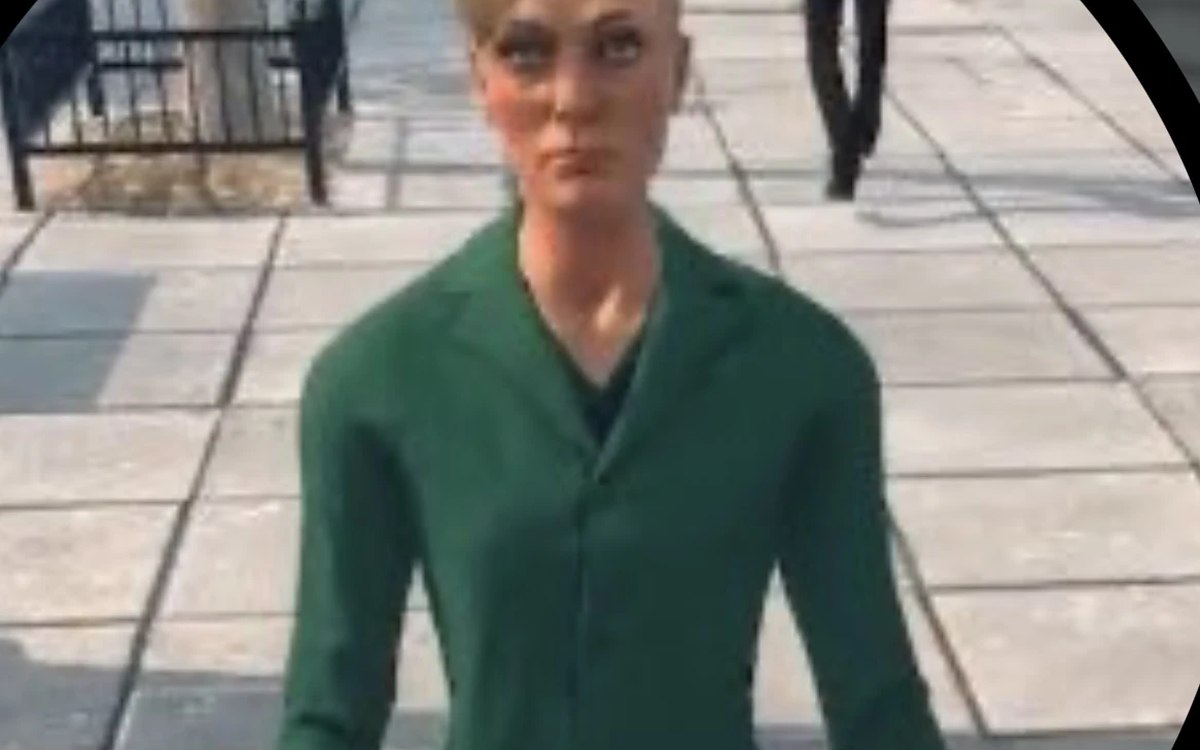
The models are ordinary people. The game ships a range of character models for the crowd, including a scientist, a businessman and a woman among others, so the shoppers are drawn from a set rather than one model.
Payment belongs to the same system. Each customer payment is recorded, which is why the person at the till and the payment on your screen are one piece of behaviour rather than two.
What this entry does not tell you: how many customers a day brings, how a strategy is chosen, or what changes it. We have not verified those numbers, so we do not print them.
Related
 CustomersCustomers and helpersCustomers are generated by the game.
 CustomersShoplifters and the door detectorA shoplifter is its own kind of behaviour in the game.
Version and sources
A local copy of the game, read only. Identifiers are listed on the technical reference pages; nothing here is estimated. Documented build: 1.6.0 (223).