
Running the shop · Supermarket Simulator · read from a local copy
The shop windows and the glass that breaks
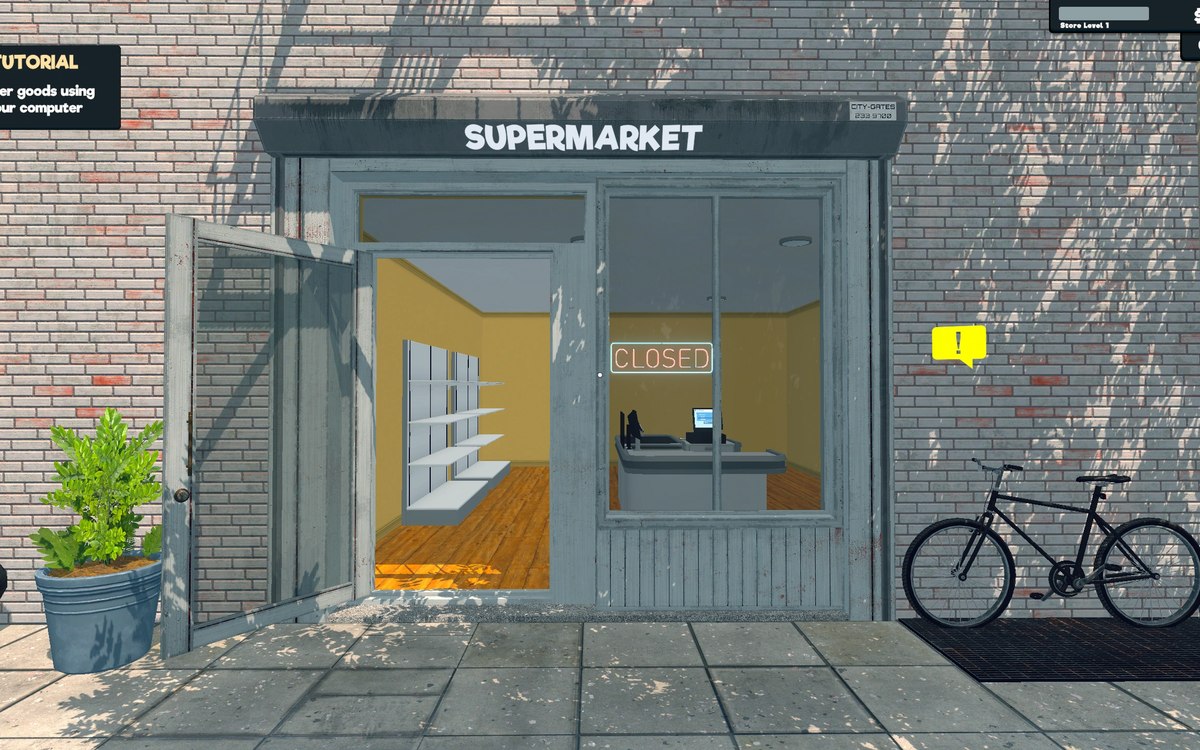
The game names four shop windows of its own: a front left and a front right beside a left and a right window, each with a shard version named beside it.
A shop in Supermarket Simulator is glazed rather than walled: the build names four shop windows with shard versions beside them, a glass material, shards in three strengths, dust on glass and a window to clean.
What the game establishes
- The game names four shop windows of its own: a front left and a front right beside a left and a right window, each with a shard version named beside it. (checked against the game's own files)
- The glass is a material of its own with a colour sheet and a normal map beside it. (checked against the game's own files)
- Shards come in tiers: a plain shard set with an easy, a medium and a strong version beside it. (checked against the game's own files)
- Dust for glass is named with maps of its own, and a window is named as something that can be cleaned. (checked against the game's own files)
- A display case is glassed as well, with a fade, a metallic smoothness and a normal sheet beside it. (checked against the game's own files)
- A saloon and an SUV are each named with their own glass pieces, with a tempered-glass material beside them. (checked against the game's own files)
- The shopfront windows come as a numbered set. (checked against the game's own files)
- The window has a background and a bubble particle of its own. (checked against the game's own files)
In play
A shop in Supermarket Simulator is glazed rather than walled. The game names four windows of its own, a front left and a front right beside a left and a right one, so the shopfront is assembled from pieces rather than left as a gap in a wall.
Each window carries a shard version as well. A broken window is not the same object as an intact one, which is why the game can swap the pane for its pieces rather than only play a sound over it.
The glass itself is a material of its own, with a colour sheet and a normal map beside it, so a pane reflects and shades without the game drawing a separate window for every angle.
Dust is part of the job. The build carries dust for glass with maps of its own, and a window is a thing that can be cleaned, which is why a shop's windows are part of keeping the place presentable rather than pure decoration.
There are display cases glassed to match. One showcase material is carried with a fade, a metallic smoothness and a normal sheet beside it, so what is behind the glass can be looked through rather than hidden.
Cars are glazed from the same vocabulary. A saloon and an SUV are each named with their own glass and shard pieces, with a tempered-glass material beside them, so the same idea of a pane and its pieces runs through the vehicles.
The shopfront windows come as a numbered set, and the window has a background and a bubble particle of its own, so what a passer-by sees through the glass is drawn rather than left as an empty hole.
What this entry does not tell you: how much a window costs to replace, whether a broken one changes what customers do, or how long dust takes to build up. We have not verified those, so we do not print them.
Related
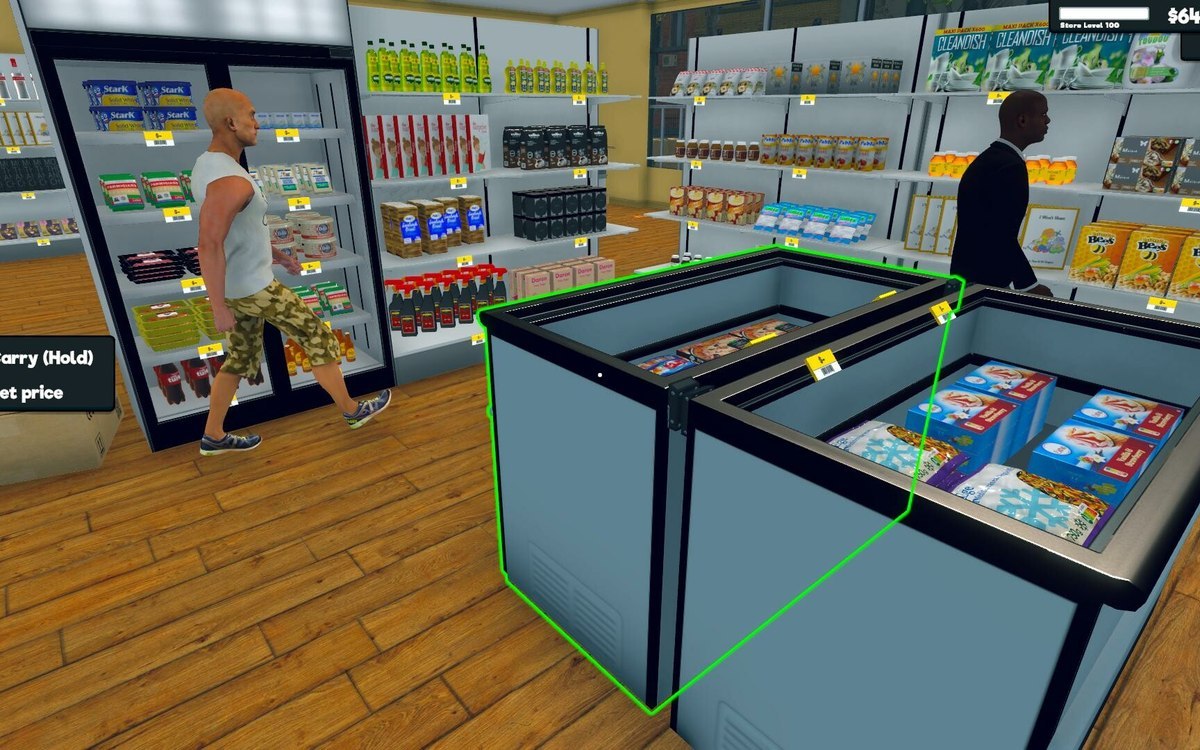 Running the shopThe fridges and freezersThe chillers are named in sizes: a mini, a medium and a double fridge, and a single, a double and a triple freezer.
 Layout and decorationCategory signs and the categories behind themA category sign is its own object with data of its own.
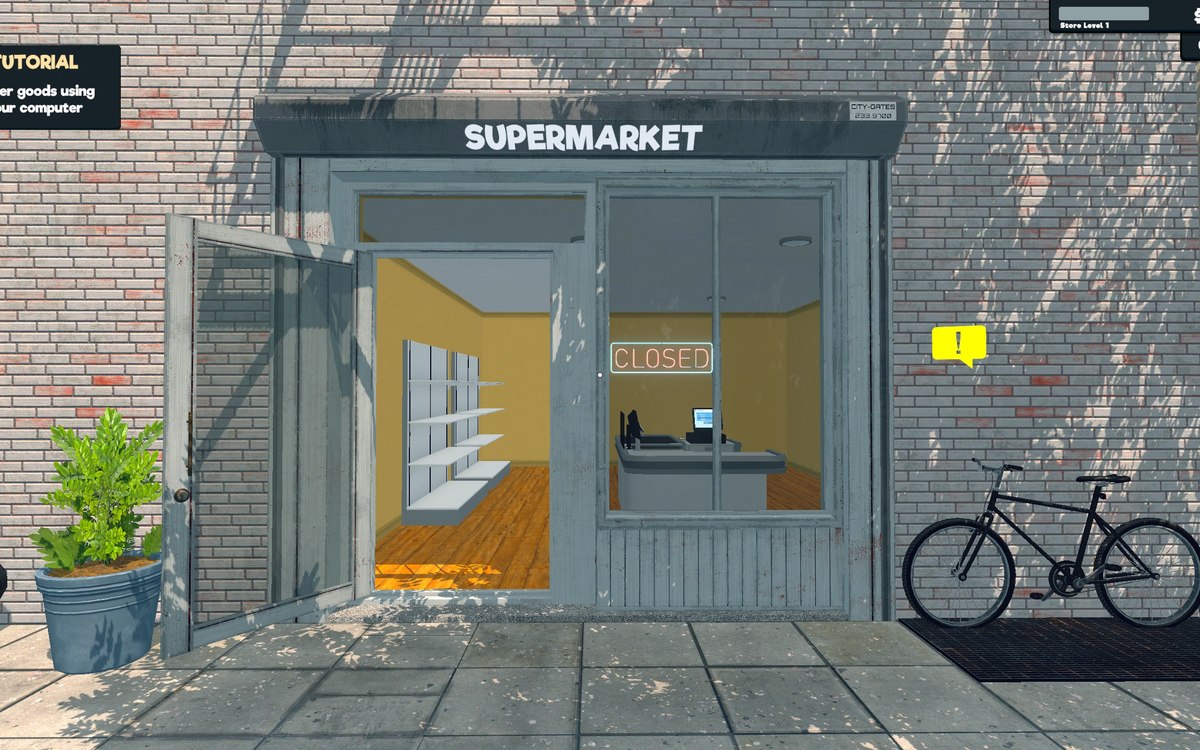 Running the shopThe shop's status, its doors and the ground customers walk onThe shop has a status of its own, with an interaction built around it.
Version and sources
A local copy of the game, read only. The grounding for each fact is listed on the technical reference pages; nothing here is estimated. Documented build: 1.6.0 (223).