
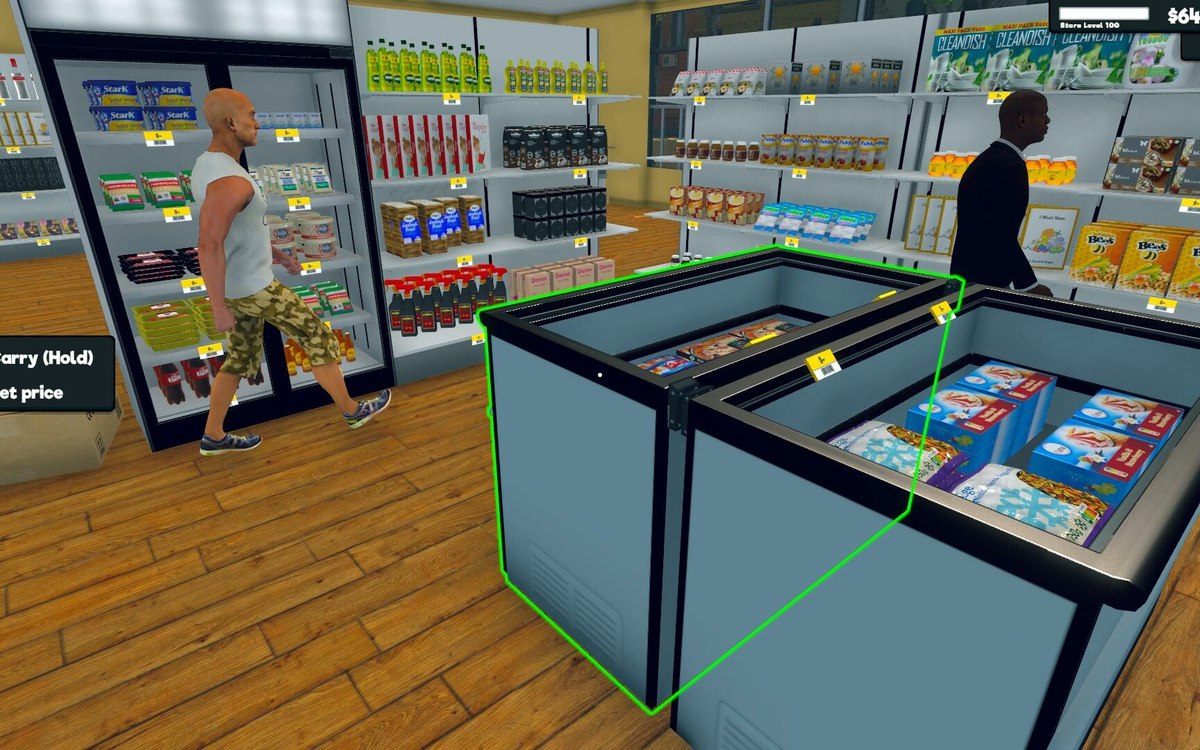
Interface · Supermarket Simulator · read from a local copy
The body you do not see
The game keeps a first-person controller of its own.
Your own character in Supermarket Simulator is driven even though you look through its eyes: the game keeps a first-person controller and a player controller, an IK handler that poses the body, a skin controller that dresses it, and a manager for which input device is in use.
What the game establishes
- The game keeps a first-person controller of its own. (checked against the game's own files)
- The player character has a controller of its own. (checked against the game's own files)
- An IK handler poses the body rather than playing one fixed animation. (checked against the game's own files)
- A skin controller applies the avatar's surfaces. (checked against the game's own files)
- Input devices are handled by a manager of their own, with a kind of key display. (checked against the game's own files)
- Blinking is a system of its own, with a controller, a kind of blink and reasons for one. (checked against the game's own files)
- The player has a state of its own. (checked against the game's own files)
In play
You look through the character rather than at it, but the body is still there. The game keeps a first-person controller of its own, which is why the view and the body underneath it are two different things.
There is a controller for the player as well. A player controller of its own handles the character, so what moves through the shop is a thing the game can manage separately from the camera.
The body is posed rather than animated key by key. An IK handler of its own adjusts the limbs, which is why arms and legs follow what you are doing instead of playing one fixed animation.
The body is dressed by a controller. A skin controller of its own puts the avatar's surfaces on, so changing how you look is a thing the game applies rather than a new model.
The game knows what you are playing with. There is a manager for input devices, and a kind of key display, which is why prompts can change from a keyboard to a pad without the game guessing.
Even the eyes are a system. Blinking has a controller, a kind of blink and a set of reasons for one, which is why the character's face can react without a script being written for each moment.
The player is tracked as a state as well. There is a state for the player of its own, which is how the game can tell one situation from another without reading it off the animations.
What this entry does not tell you: how many cosmetics exist, how a body is posed in detail, or what each input device changes. We have not verified those, so we do not print them.
Related
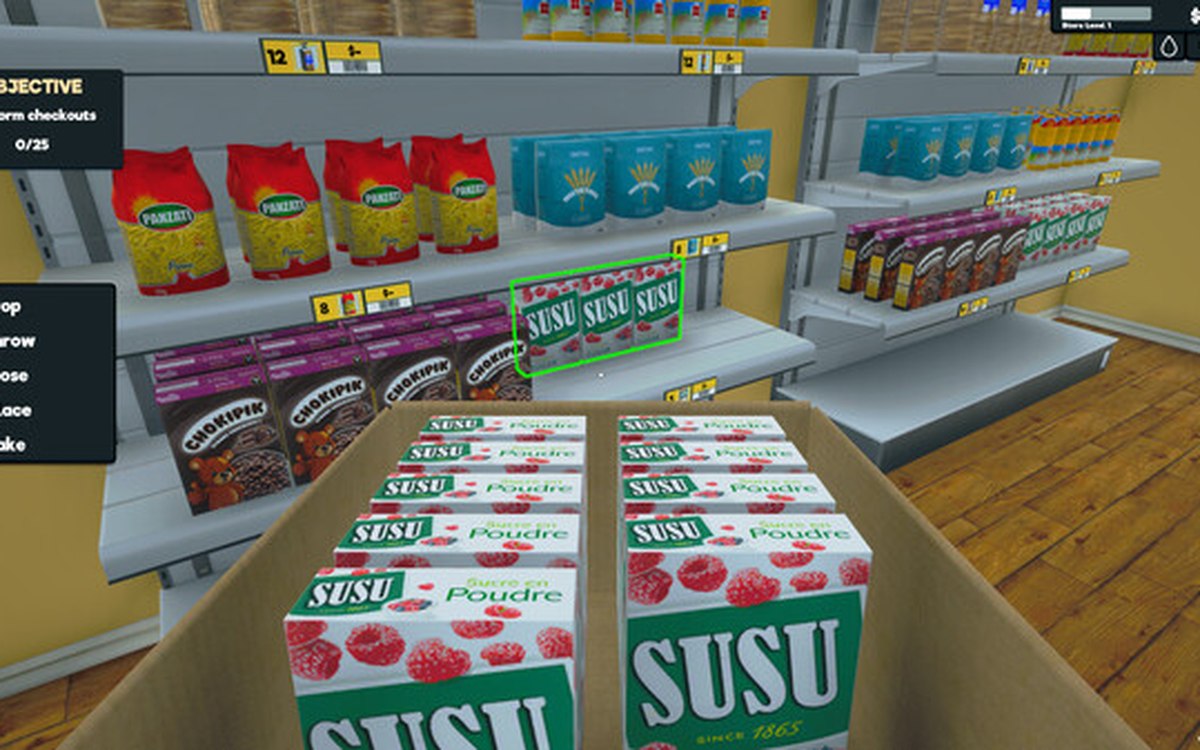 InterfacePlaying with a controllerThe game has a controller input manager and its own set of pad interface functions.
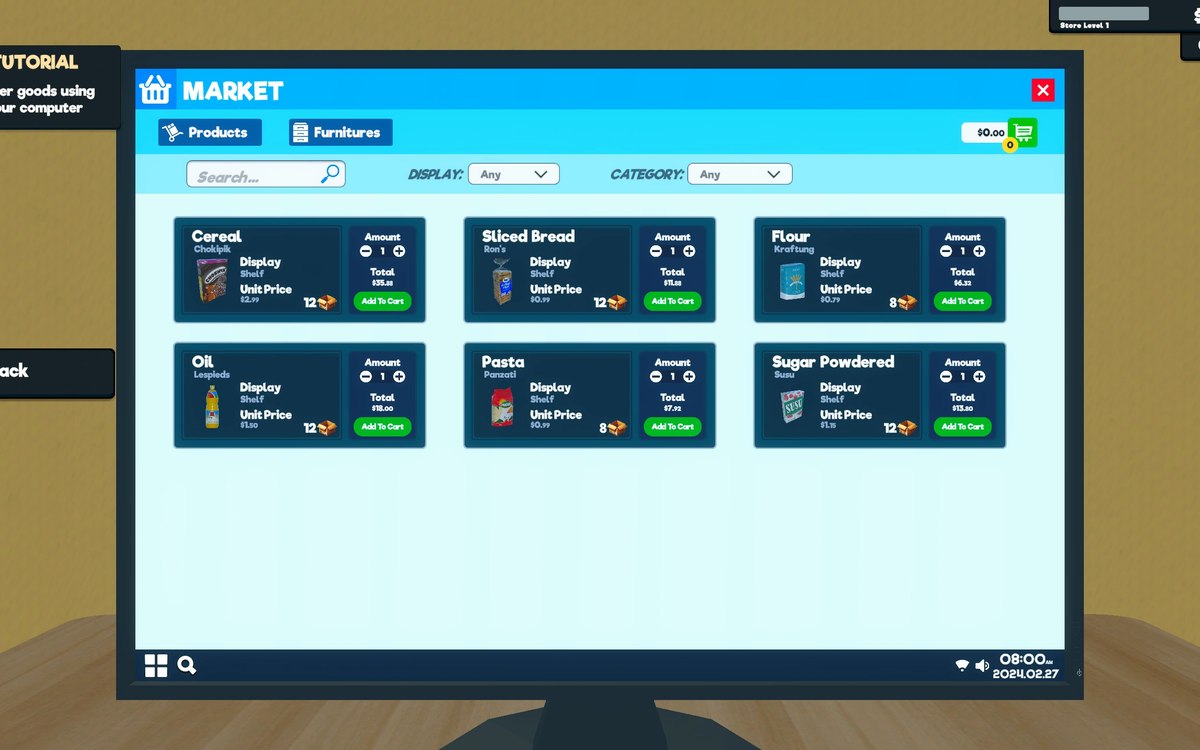 InterfaceHow the game shows what you can useThe game has a crosshair manager and a crosshair reference of its own.
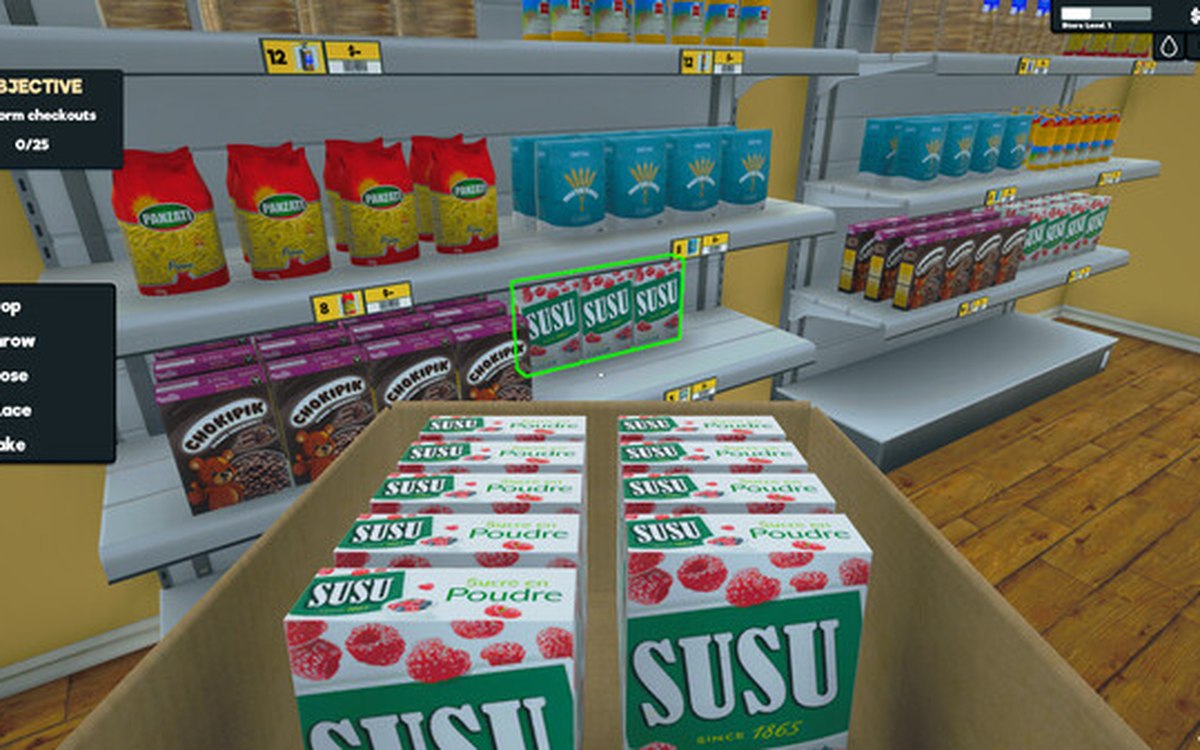 InterfaceThe settings and the keys you can changeThe game keeps a settings manager, a container for settings and the data behind them.
Version and sources
A local copy of the game, read only. Identifiers are listed on the technical reference pages; nothing here is estimated. Documented build: 1.6.0 (223).