
Staff · Supermarket Simulator · read from a local copy
Asking a helper to fetch something
A helper can be sent to fetch an object that needs help, and separately to the scale.
A helper in Supermarket Simulator is sent to do a specific job rather than left to wander: the game keeps fetches for an object that needs help and for the scale, and tracks whether the helper is busy.
What the game establishes
- A helper can be sent to fetch an object that needs help, and separately to the scale. (checked against the game's own files)
- The helper has transforms for where it stands, for its standing while controlled and for its control. (checked against the game's own files)
- The build names avatars for the specialised helpers and a set of helper keys. (checked against the game's own files)
- There is a kind of check of its own for whether something can be controlled by a helper. (checked against the game's own files)
- The game tracks whether a helper is busy and whether it is currently helping. (checked against the game's own files)
- There are separate starts for helping at the checkout and at the scale. (checked against the game's own files)
- A helper is a described kind with its own data object and animation controller. (checked against the game's own files)
In play
A helper is sent to do a particular job. The game has a fetch of its own for an object that needs help, and a separate one for the scale, which is why the same worker can be pointed at a shelf, a crate or the weighing counter.
The job is a place, not a wish. There are transforms the helper uses for where it stands, for how it stands while being controlled, and for the control itself, so the game knows where to put a worker before it starts doing anything.
It checks before it acts. There is a kind of check of its own for whether something can be controlled by a helper, which is how the game decides that a job is possible before sending anyone.
The shop knows whether a helper is free. There is one flag for being busy and another for being currently helpful, so a worker that has been sent somewhere is not sent somewhere else at the same time.
Helping has its own starting points. One is for helping at the checkout and another is for the scale, which is why the same person can be asked to take over a till or to weigh something without the two being the same instruction.
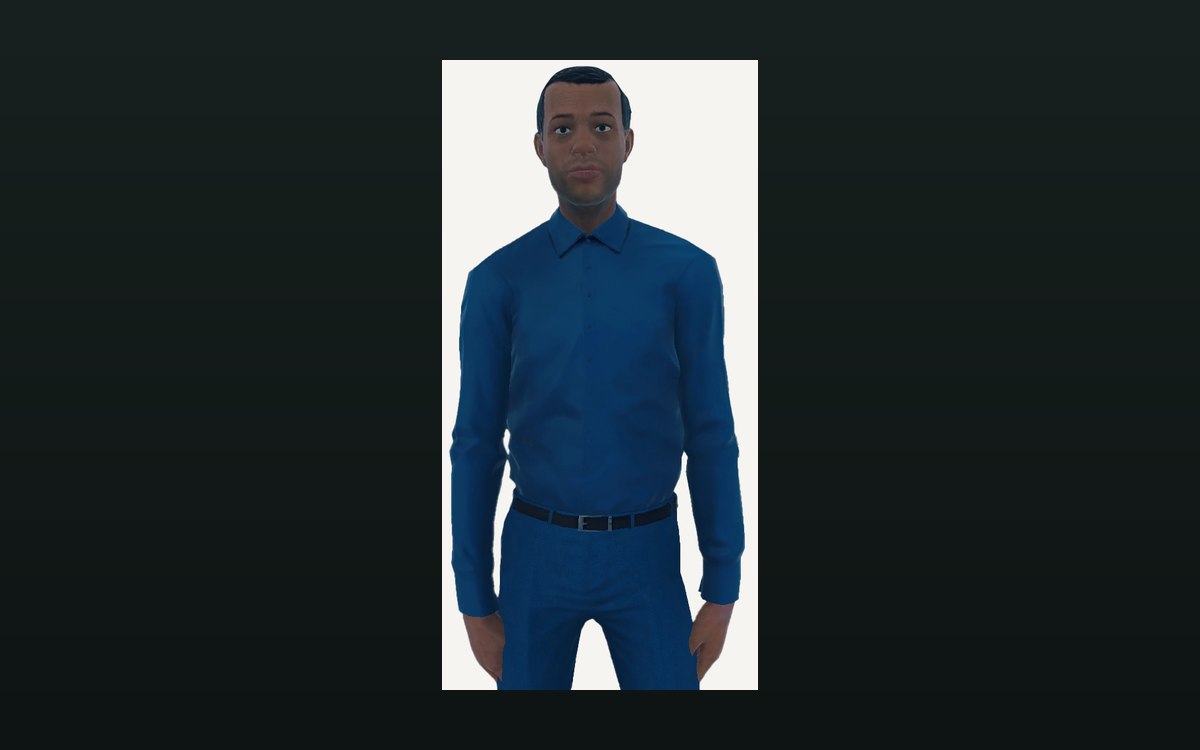
A helper is a described kind. There is a data object for the helper and an animation controller of its own, so the workers are configured rather than each being a special case in the code.
Because fetching, checking, being busy and starting help are all separate, a helper can be interrupted and sent elsewhere without the job it was doing being left half-finished in a way the game cannot describe.
What this entry does not tell you: how fast a helper works, how many you may have, or what any of them cost. We have not verified those numbers, so we do not print them.
Related
 StaffJobs you can hand overCashier duty is tied to items of its own.
 CustomersCustomers and helpersCustomers are generated by the game.
Version and sources
A local copy of the game, read only. The grounding for each fact is listed on the technical reference pages; nothing here is estimated. Documented build: 1.6.0 (223).