
Guide
Painting the walls without wasting paint
How wall painting works in Supermarket Simulator: the bucket as a placed object rather than a resource, the colour carried by that bucket, the wall as something paintable in its own right, and the records the game keeps of what was painted.
Applies to
1.6.0 (223), read from the copy of the game this site was built from (see the sources page)
Before you start
- A shop with at least one wall you own
- Enough money for a bucket and its colour
- Somewhere to put the bucket while you work
Steps
- Buy the paint as a bucket rather than as a pot of paint.
the paint is an object with its own data behind it, so what you buy is a thing you place and use - Place the bucket before you expect to paint anything.
putting a bucket down is a mode of its own, which is how the game knows a bucket is in use rather than only owned - Choose the colour on the bucket.
a bucket carries colour data, so the colour belongs to the object being used rather than to the wall - Treat the wall as a paintable object in its own right.
walls are their own kind of surface in the game, which is why painting them is separate from painting a floor - Expect what you painted to be recorded apart from the bucket.
the paint has its own data and the system keeps its own save records, so the wall remembers its finish after the bucket is gone - Expect the whole wall to be one job rather than a patch at a time.
a wall is a paintable surface rather than a grid of tiles, so a wall is finished as a wall - In a shared shop, expect everyone to see the same bucket.
the bucket has a networked form, so what one player places is placed for the crew - Expect the surface to move with the paint rather than only change colour.
the painting system carries a wobble of its own, so the finish is animated rather than a flat fill - Do not treat a repaint as free just because the wall is already painted.
repainting has data of its own rather than being the same as painting a bare wall
Common mistakes
- Looking for paint as a resource in the stock list instead of buying a bucket.
- Choosing a colour and expecting it to apply to every wall at once.
- Repainting a wall and expecting the old finish to be replaced without being recorded.
- Painting in a shared shop without checking that everyone else can see the bucket.
Related entries
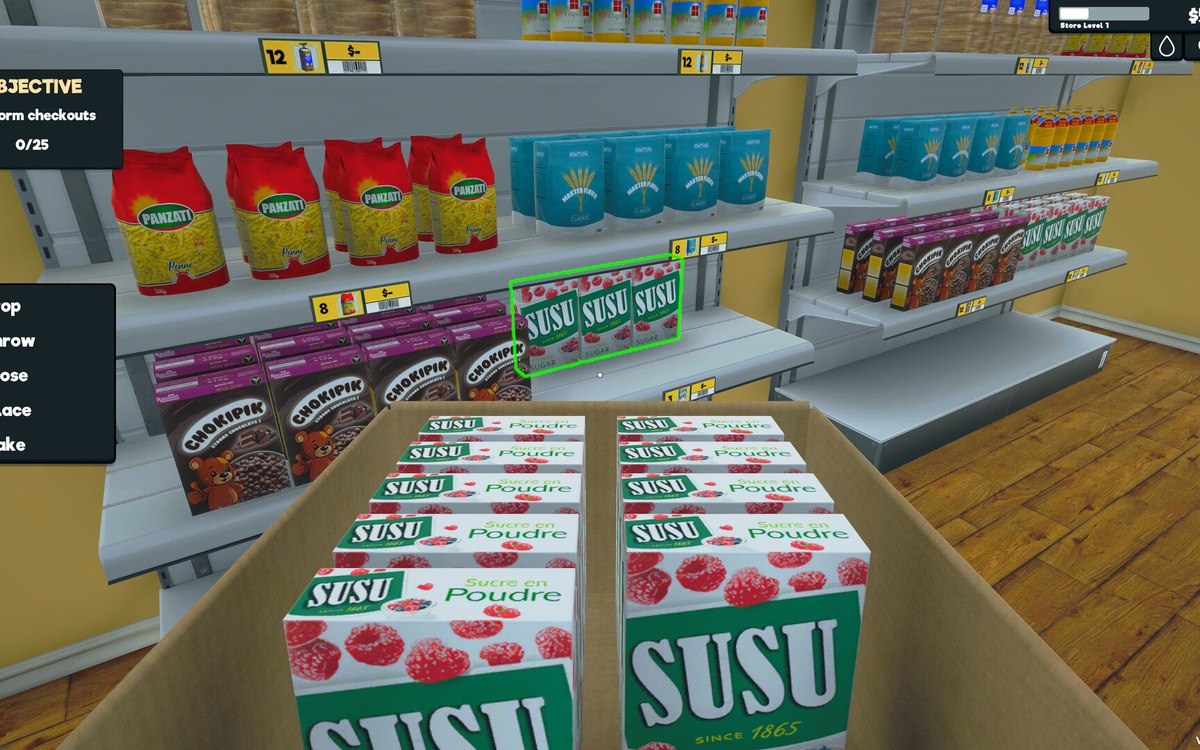 Layout and decorationPainting the wallsA wall is a paintable surface rather than fixed decoration.
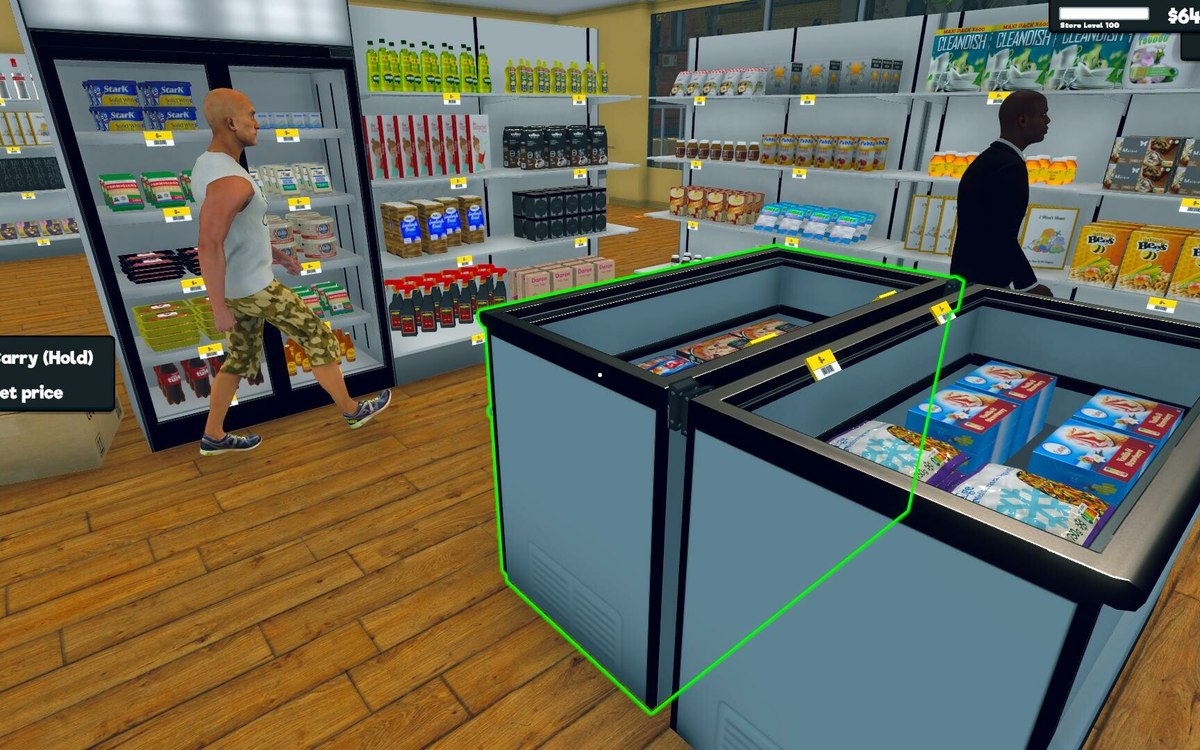 Running the shopMixing paint and picking a colourThere is a paint manager with a routine that keeps the buckets in step, and networked buckets.
Sources
A local copy of the game, read only. Grounding for each step is on the technical reference pages; no number is estimated.