
Basics and answers · Supermarket Simulator · read from a local copy
Questions players ask most
You can repaint both the floor and the walls.
Short, checkable answers to the questions this site is asked most about Supermarket Simulator, each one pointing at the entry that explains it in full.
What the game establishes
- You can repaint both the floor and the walls. (checked against the game's own files)
- You can change the look of the shop entrance, including its name sign. (checked against the game's own files)
- There is a computer with separate tabs for hiring, for customising the shop and for music. (checked against the game's own files)
- Customers are generated, and theft is a behaviour with its own warning and door detector. (checked against the game's own files)
- You can borrow money, and repayments are tracked apart from the loan, with early payment possible. (checked against the game's own files)
- There is a day cycle with a clock, and ending the day is its own interaction. (checked against the game's own files)
- Staff can be hired, and there is a janitor with named cleaning tasks. (checked against the game's own files)
- A shelf is a set of slots, and a crate you buy is a different object from a storage box. (checked against the game's own files)
In play
These are the questions that come up most, answered in a sentence rather than a page. Every answer here is backed by something the game itself defines, and the longer explanation is in the entry named beside it.
On the shop itself: the floor and the walls are both surfaces you can paint, the front entrance has variants of its own, and the computer keeps separate tabs for hiring, for the shop name and doors, and for music.
On customers: they are generated rather than fixed, and theft is a behaviour the game models, with its own warning indicator and a detector at the door.
On money: you can borrow, and repayments are tracked separately from the loan, with their own screen and the option to pay early.
On time: there is a real day cycle with a clock, and ending the day is an action you take rather than something that happens to you.
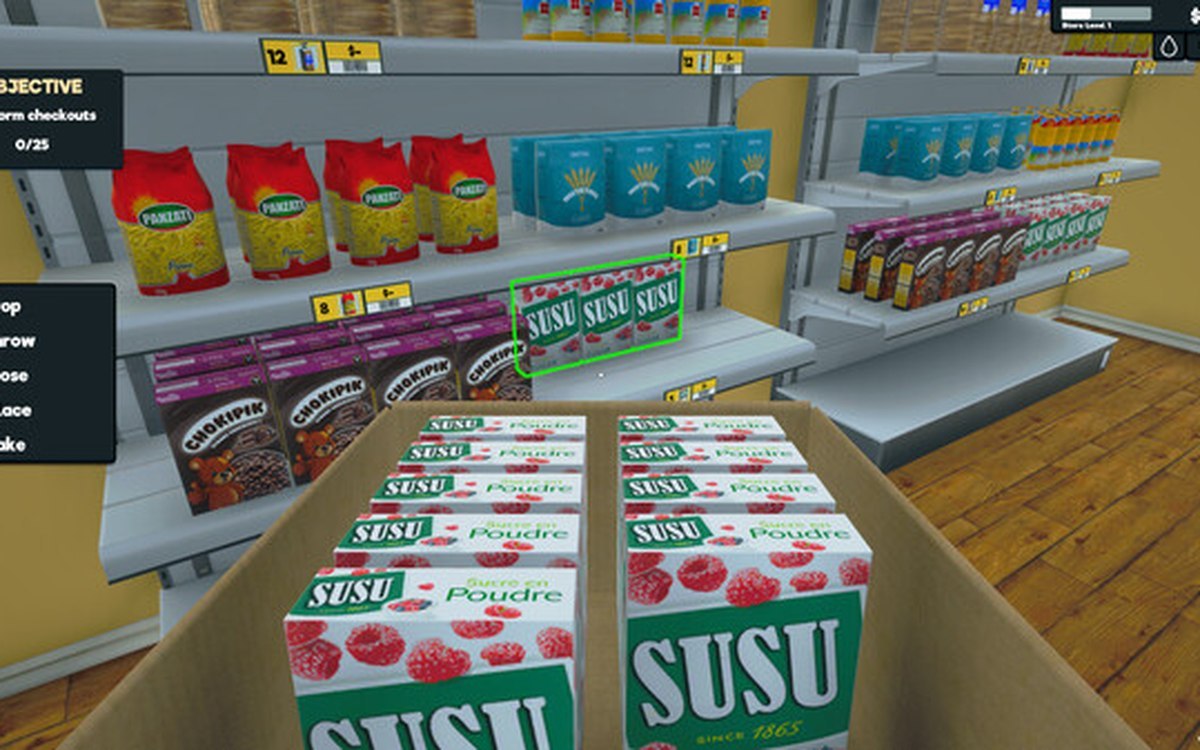
On stock: a shelf is a set of slots rather than one surface, and crates you buy are a different object from the boxes you store things in.
What this list does not do is guess. If a question needs a number we have not verified, the answer says so instead of inventing one, and the fuller entry repeats that.
Related
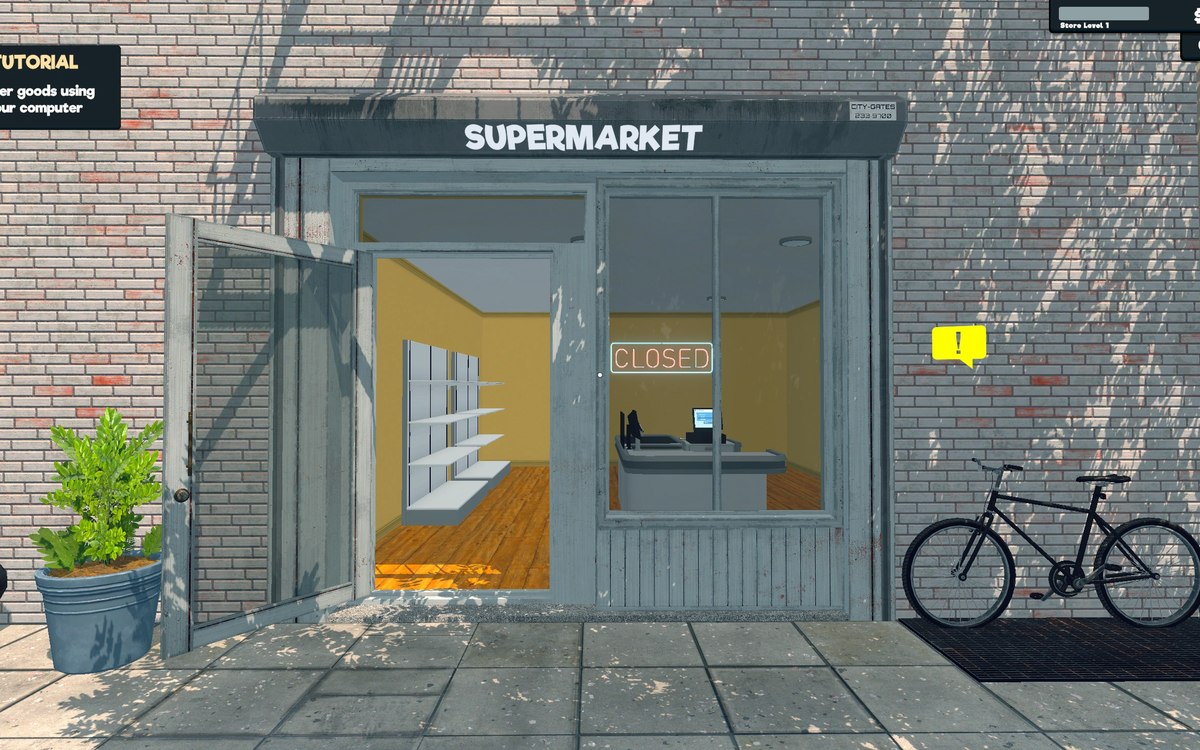 Running the shopThe day cycle and the clockThe shop runs on a day cycle with a manager of its own.
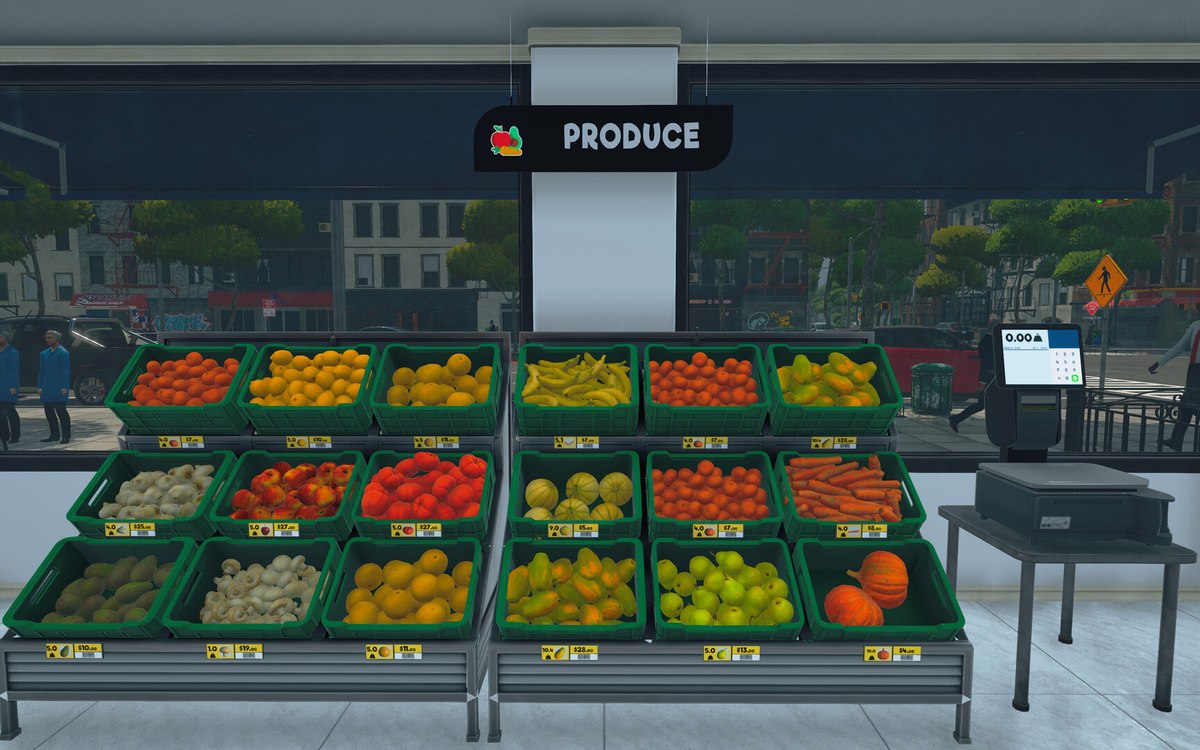 Layout and decorationFloors and floor paintingThe shop floor is a surface the game lets you paint, not a fixed part of the building.
Version and sources
A local copy of the game, read only. Every answer is backed by the identifiers listed on the technical reference pages. Documented build: 1.6.0 (223).